
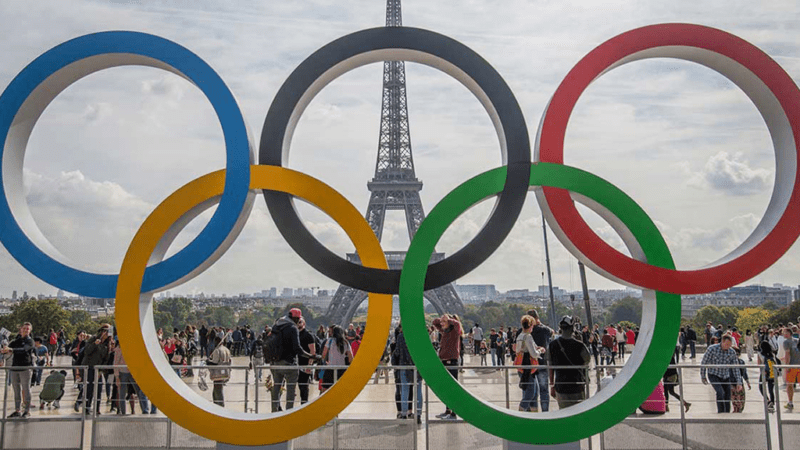
The Milano Cortina 2026 Winter Olympics opening ceremony scheduled for February 6 at Milan’s iconic San Siro Stadium represents the culmination of Italy’s $4.5 billion infrastructure investment gamble that promises to showcase elite winter sports while risking the budget overruns and corruption scandals that plagued previous host nations from Sochi to Rio. The Italian organizing committee’s ambitious vision of splitting venues between cosmopolitan Milan and alpine Cortina d’Ampezzo creates logistical complexities that dwarf simpler single-city hosting models, though proponents argue the distributed approach spreads economic benefits more broadly while utilizing existing infrastructure that reduces environmental impact and long-term white elephant risks. Following the money through Olympic preparation reveals how host nations systematically underestimate costs while overestimating economic benefits, creating fiscal burdens that burden taxpayers for decades while enriching connected contractors who inflate invoices and deliver substandard work reminiscent of Iran’s flood control scandal and Philippines’ infrastructure corruption.
The 2026 Winter Olympics program features 116 medal events across eight sports and 16 disciplines over 19 days of competition ending February 22, with venues strategically distributed to leverage both regions’ strengths. Milan’s metropolitan infrastructure hosts ice hockey, figure skating, short track speed skating, and curling at retrofitted existing arenas that required modest upgrades rather than expensive new construction, while Cortina’s mountain terrain provides natural settings for alpine skiing, bobsled, luge, and skeleton competitions. This venue split necessitates massive athlete and spectator transportation logistics coordinated through dedicated Olympic lanes on highways and railways, creating temporary disruptions for residents while demonstrating Italian organizational capacity on global stage.
The Milano Cortina 2026 organizing committee budget officially lists $4.5 billion in total costs split between infrastructure development, venue construction and upgrades, security provisions, technology systems, and operational expenses. However, historical patterns suggest actual expenditures will exceed budgets by 30-100% as unforeseen complications emerge, contractors submit change orders for work beyond original scope, and political pressure to deliver impressive spectacle overrides fiscal discipline. Oxford University research analyzing Olympics from 1960 through 2016 found that average cost overrun reached 156% for Summer Games and 142% for Winter Games, with no evidence that planning improvements or experience hosting previous events reduces budget variance.
The economic impact analysis that Italian officials cite to justify Olympic spending projects $2.1 billion in direct economic activity plus multiplier effects generating additional billions through tourism, construction employment, and enhanced international reputation attracting future investment. These projections typically prove wildly optimistic as they ignore opportunity costs of deploying scarce capital and labor toward temporary Olympic infrastructure rather than productive investments generating sustained returns, assume tourism and spending wouldn’t have occurred absent Olympics, and fail to account for crowding out where Olympic visitors displace regular tourists who avoid host cities during Games periods.
The business model supporting modern Olympics has evolved dramatically from the financial disasters of 1976 Montreal that left taxpayers with 30-year debt servitude toward increasingly commercialized events where broadcasting rights, corporate sponsorships, and merchandise licensing generate billions for the International Olympic Committee. NBC paid $7.75 billion for U.S. broadcasting rights through 2032, while Discovery Inc secured European rights through 2024 for $1.45 billion before recently extending. These massive media contracts dwarf ticket revenues and represent primary IOC funding source, creating incentive structure where committee prioritizes broadcaster demands for prime-time scheduling and commercial-friendly formats over athlete welfare or competitive integrity.
The shift toward streaming-first Olympics consumption represents existential challenge for traditional broadcasters who paid billions assuming linear television audiences that have eroded dramatically as younger demographics cut cords and consume content through apps and social platforms. NBC’s Peacock streaming service, Discovery’s Eurosport digital offerings, and YouTube’s potential future Olympics package demonstrate how rights holders attempt adapting to viewing pattern changes, though whether streaming revenue can replace declining broadcast advertising remains uncertain. The Milano Cortina 2026 Olympics will serve as crucial test case for whether Olympics can maintain cultural relevance and commercial value in fragmented media environment where single-event programming struggles to command attention against infinite content options.
The corruption risks inherent in Olympic-scale infrastructure spending create opportunities for systematic theft that mirrors patterns exposed in Philippines flood control scandal and Iranian oil revenue embezzlement. Construction contracts worth billions get awarded through processes vulnerable to bribery and favoritism where connected firms receive preferential treatment in exchange for kickbacks to officials controlling procurement decisions. Once contracts are awarded, opportunities for fraud multiply as contractors deliver substandard materials while billing for premium specifications, inflate labor costs through phantom employees, and submit change orders for work allegedly required beyond original scope but actually representing pure profit extraction.
The Italian organizing committee’s emphasis on utilizing existing venues and temporary facilities rather than building permanent new infrastructure aims to reduce corruption opportunities by limiting new construction spending, though renovation contracts still create substantial scope for inflated invoicing and quality shortcuts. The Cortina bobsled track reconstruction budgeted at $83 million has already experienced cost increases and delays suggesting the familiar pattern where initial budgets prove inadequate and contractors exploit captive clients who must complete projects regardless of mounting costs to avoid Olympic embarrassment.
Security expenditures represent another category vulnerable to corruption and wasteful spending as host nations deploy overwhelming police and military presence that exceeds genuine threat levels while enriching security contractors and surveillance technology vendors. The Milano Cortina 2026 security budget allocates hundreds of millions for additional police, counterterrorism units, cybersecurity systems, and physical barriers transforming host venues into fortresses that undermine Olympics’ supposed message of international cooperation and peaceful competition. The post-9/11 security escalation has transformed Olympics from relatively accessible public events into heavily controlled environments where ordinary citizens face invasive screening while wealthy sponsors enjoy exclusive access, reinforcing broader social inequalities.
The environmental sustainability rhetoric that organizing committees invariably deploy conflicts with Olympic reality of massive resource consumption, carbon emissions from global athlete and spectator travel, and habitat destruction from venue construction in previously pristine mountain environments. Milano Cortina 2026 emphasizes renewable energy, sustainable materials, and legacy planning that repurposes temporary venues, though these commitments face commercial pressures to deliver impressive spectacle that requires energy-intensive lighting, heating, and technology systems. The fundamental question remains whether staging two-week sporting events in locations requiring billions in infrastructure development can ever be environmentally justified when simpler alternatives exist like permanent Olympic facilities rotating between established winter sports regions.
The athlete compensation paradox where Olympians generate billions in commercial value yet receive no direct payment from IOC or organizing committees despite risking careers and health creates ethical tensions that have intensified as professional athletes in other sports command massive salaries. Olympic “amateurism” ideology has eroded substantially as the Games now include NBA stars, NHL players, and professional tennis players, though IOC maintains control over commercial rights and revenue distribution that flows primarily to committees and sponsors rather than athletes themselves. Some national Olympic committees provide medal bonuses and stipends, though these pale compared to commercial value athletes create through performances that drive television ratings and sponsorship deals.
The geopolitical dimensions of Olympic hosting have intensified as nations view Games as opportunities to showcase political systems, economic development, and cultural achievements on global stage. China’s 2022 Beijing Winter Olympics demonstrated authoritarian capacity for state-directed infrastructure development and mass mobilization while generating criticism about human rights and environmental impacts. Russia’s 2014 Sochi Olympics cost over $50 billion, much of which disappeared into corruption schemes benefiting Putin’s oligarch allies, while serving political purpose of demonstrating Russian power and organizing capacity. The Milano Cortina 2026 Olympics occur amid renewed European concerns about democratic backsliding and right-wing populism, creating pressure on Italian organizers to demonstrate that democratic nations can still deliver world-class events without resorting to authoritarian methods.
The technological innovation showcased at Olympics increasingly determines commercial and cultural relevance as broadcasters experiment with virtual reality, artificial intelligence commentary, and personalized content streams allowing viewers to follow specific athletes or sports rather than passive consumption of network-determined programming. The Milano Cortina 2026 Olympics will feature expanded digital engagement through social media integration, athlete-generated content, and interactive features that blur lines between official coverage and user-created material. These innovations create opportunities for deeper fan engagement while raising questions about whether fragmented consumption patterns erode shared cultural moments that characterized Olympics viewing when entire nations gathered around limited broadcast channels.
The Paralympic Winter Games scheduled for March 6-15 immediately following the Olympics represents crucial component of Italy’s hosting commitments, featuring 79 events across para alpine skiing, para biathlon, para cross-country skiing, para ice hockey, para snowboard, and wheelchair curling. The Paralympics have gained visibility and commercial support in recent decades, though still receive fraction of media coverage and sponsorship dollars compared to Olympics despite featuring equally impressive athletic performances. The Milano Cortina organizers’ commitment to accessible infrastructure and Paralympic promotion demonstrates progress toward disability inclusion, though substantial gaps persist in funding, media attention, and cultural recognition.
The long-term legacy outcomes from Olympic hosting remain contested with some cities like Lake Placid successfully converting venues into year-round recreation and tourism destinations while others like Sarajevo saw facilities destroyed by war or falling into decay from lack of maintenance funding. The key differentiator appears to be whether host regions possess genuine year-round demand for winter sports facilities that ensures continued use beyond Olympic period versus locations where venues become expensive white elephants requiring perpetual subsidies. Milano Cortina’s positioning in established winter sports region with existing recreational skiing and tourism infrastructure suggests better prospects for sustainable legacy than purpose-built Olympic cities in locations lacking natural winter sports markets.
The Milano Cortina 2026 Olympics scheduling creates direct competition with Super Bowl LX on February 8 at Levi Stadium in Santa Clara, California, forcing American broadcasters and viewers to divide attention between two major sporting events rather than providing exclusive focus to either. This scheduling conflict reflects the globalized sports calendar’s increasing congestion where major events throughout the year compete for limited viewer attention and advertising dollars, potentially diluting commercial value for all participants. The question facing sports marketing executives is whether abundance of premium content increases total sports consumption or whether audiences simply redistribute existing viewing time across more options without expanding total engagement.
As Milano Cortina 2026 preparation enters final days before opening ceremony, Italian organizers face familiar pressures to deliver impressive spectacle that justifies massive expenditures while managing budget overruns, corruption risks, and logistical complexities inherent in major event hosting. The Olympics’ ability to maintain cultural relevance and commercial viability in fragmented media environment where younger audiences increasingly ignore traditional sports broadcasting will determine whether future host cities continue bidding for events or whether the model collapses under weight of costs, corruption, and declining viewership that make hosting economically irrational.

