
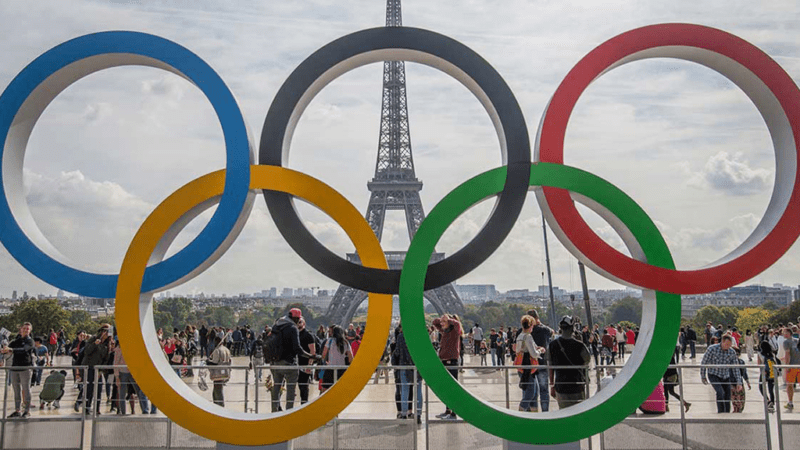
Ukrainian skeleton sled racer Vladyslav Heraskevych announced Monday February 10 that he will wear a helmet displaying images of Ukrainian athletes killed defending their country against Russia’s invasion, directly challenging International Olympic Committee rules designed to keep politics out of the Winter Games. The IOC officials immediately warned that the memorial tribute violates regulations prohibiting political statements during competition, setting up confrontation that could result in disqualification from the Milano Cortina 2026 Olympics if Heraskevych proceeds with his planned protest. The dispute highlights fundamental tension between Olympics’ stated commitment to international unity and athletes’ desire to acknowledge the wars and conflicts that continue devastating their homelands even as they compete in sporting events marketed as celebrations of peaceful cooperation.
Heraskevych’s decision to memorialize fallen Ukrainian athletes comes as Russia’s invasion approaches its fifth year, having killed hundreds of thousands of combatants and civilians while displacing millions more from destroyed cities and occupied territories. The skeleton racer argues that remembering teammates and competitors who died defending Ukraine represents personal tribute rather than political statement, though IOC maintains strict interpretation of Rule 50 that prohibits demonstrations, political messaging, or religious propaganda at Olympic venues. The rule’s application has proven inconsistent, with some athletes facing sanctions for raising fists or kneeling during anthems while others avoided consequences for similar gestures, creating perception that enforcement depends more on geopolitical considerations than consistent principles.
The IOC’s decision to ban Russian and Belarusian athletes from competing under their national flags while allowing individual participation as “neutral” athletes created compromise that satisfied neither those demanding complete ban nor Russian officials who view the restrictions as discriminatory. Ukrainian athletes and officials have consistently opposed allowing any Russian participation even under neutral status, arguing that providing Russians the platform and prestige of Olympic competition legitimizes their government’s genocidal war. The presence of Russian athletes competing alongside Ukrainians whose compatriots they may have helped kill creates uncomfortable dynamic that organizers attempt to ignore while athletes experience the trauma firsthand.
In historic milestone for Black representation in winter sports, Layla Edwards became the first Black woman to ever play for Team USA in an Olympic hockey tournament when she took the ice Thursday February 5 against Czechia. The 22-year-old from Cleveland Heights, Ohio, recorded her first Olympic assist in the dominant 5-1 victory, marking powerful start to her Olympic journey and creating pathway for future generations of Black athletes who have been systematically excluded from winter sports dominated by wealthy white families with resources for expensive training and equipment. Edwards’ achievement represents breakthrough in sport where racial barriers have proven particularly resistant to integration despite decades of diversity initiatives and inclusion rhetoric.
Bobsleigh legend Elena Meyers Taylor heads into her fifth Olympic Games in Milano Cortina as the most decorated Black athlete in Winter Olympics history, having reached the podium in every single Olympic event she has entered since 2010. The Georgia native’s incredible track record includes multiple medals across different bobsleigh events, demonstrating sustained excellence over 16-year international career that has shattered stereotypes about which sports Black athletes can dominate. Meyers Taylor’s enduring success and leadership continue breaking barriers while setting new standards in winter sports where her visibility inspires young Black athletes to pursue disciplines they might otherwise never consider.
The EEOC filed a motion Monday to compel Nike to provide internal records as part of systemic race discrimination probe investigating whether the company’s Diversity, Equity, and Inclusion initiatives have resulted in unfair disadvantages for white employees. The investigation centers on Nike’s leadership training programs and criteria for layoffs, with federal officials examining whether DEI policies created reverse discrimination that violates Title VII of the Civil Rights Act. Nike maintains it has acted in good faith while already supplying thousands of pages of documents to the commission, though EEOC apparently views the production as incomplete and requires additional materials to assess whether discrimination occurred.
The Nike investigation brings national debate around corporate DEI programs into sharp focus, with many watching to see how the case impacts diversity efforts across major corporations. Conservative critics have long argued that DEI initiatives create quotas and preferences that disadvantage white and Asian employees, while supporters contend that such programs merely attempt to remedy historical discrimination and create truly meritocratic environments where talent from all backgrounds can advance. The EEOC probe under Trump administration signals potential shift in federal enforcement priorities toward investigating programs designed to increase minority representation rather than focusing exclusively on traditional discrimination against protected classes.
Trump excluded all Democratic governors from the upcoming annual White House working meeting in significant break from tradition that drew criticism for partisan nature of sidelining key state leaders from important national discussions. Among those notably uninvited were Maryland Governor Wes Moore and Colorado Governor Jared Polis, who were also excluded from the traditionally bipartisan black-tie dinner. The annual Governors Association meetings have long served as rare opportunities for bipartisan cooperation where state executives could discuss shared challenges regardless of party affiliation, though Trump’s decision to exclude Democrats transforms the gathering into Republican Party event rather than genuine cross-party dialogue.
The exclusion of Democratic governors follows pattern where Trump administration treats political opponents as enemies to be isolated and punished rather than legitimate participants in democratic governance deserving of respect and inclusion. Minnesota Governor Tim Walz previously withdrew from his next gubernatorial race while facing DOJ investigation for criticizing ICE’s killing of American citizen Renee Good, demonstrating how federal intimidation campaigns successfully silence critics through weaponized prosecutions. Maryland Governor Wes Moore’s exclusion from White House meetings represents similar attempt to marginalize Democratic leaders who refuse to accommodate Trump’s agenda or remain silent about administration abuses.
In climate policy development with enormous long-term implications, The Wall Street Journal reported Monday that the Trump administration plans this week to formally end the Obama-era scientific determination that greenhouse gas emissions endanger public health. The EPA’s 2009 “endangerment finding” provides legal foundation for federal regulations limiting carbon dioxide and other greenhouse gases, with reversal potentially invalidating numerous climate rules spanning vehicle emissions standards, power plant restrictions, and industrial facility requirements. The scientific determination that greenhouse gases threaten human health and welfare has been repeatedly validated by comprehensive research from climate scientists worldwide, making EPA’s planned reversal represent political decision to ignore scientific consensus rather than genuine reassessment of evidence.
The endangerment finding rescission would face immediate legal challenges from states and environmental groups arguing that EPA cannot arbitrarily reverse scientific determinations without presenting equally robust evidence contradicting previous conclusions. Courts have consistently ruled that agencies must provide reasoned explanation for policy changes and cannot ignore scientific evidence when making regulatory decisions, suggesting that naked political reversal of endangerment finding would likely be blocked by federal judges. However, the litigation would take years to resolve while creating regulatory uncertainty that discourages investment in clean energy and emissions reduction technologies.
Cuba hasn’t received an oil shipment since December according to reports Monday, creating catastrophic energy crisis that has left the island without sufficient fuel to generate electricity, operate vehicles, or maintain basic economic activity. Airlines suspended flights to Havana as airports ran out of jet fuel, stranding thousands of passengers and cutting Cuba off from remaining international connections. The oil embargo stems from U.S. sanctions targeting Venezuelan oil exports that previously supplied Cuban energy needs, demonstrating how American economic warfare creates humanitarian disasters for civilian populations while achieving minimal strategic objectives against targeted regimes.
The Pentagon announced Monday that it had blown up another boat in the eastern Pacific, killing two people and leaving one survivor in what represents the 38th such strike since September. SOUTHCOM posted 11-second video showing three airstrikes against civilian speedboat, claiming without evidence that the vessel was engaged in narcotrafficking. Since September, the Pentagon says it has killed at least 130 people it labels “narcoterrorists” without providing evidence or attempting arrests, raising serious questions about extrajudicial killings and whether due process considerations apply when U.S. military conducts operations against suspected criminals rather than enemy combatants.
The convergence of Olympic political tensions, historic Black athlete achievements, corporate DEI investigations, partisan governor exclusions, climate policy reversals, and extrajudicial military strikes demonstrates how thoroughly politics has consumed every aspect of American life where even sporting events cannot escape ideological conflicts. The contrast between celebrating Layla Edwards’ groundbreaking Olympic debut while simultaneously investigating whether corporate diversity programs discriminate against white employees illustrates the contradictory impulses defining contemporary debates about race, equity, and opportunity in American society.

