

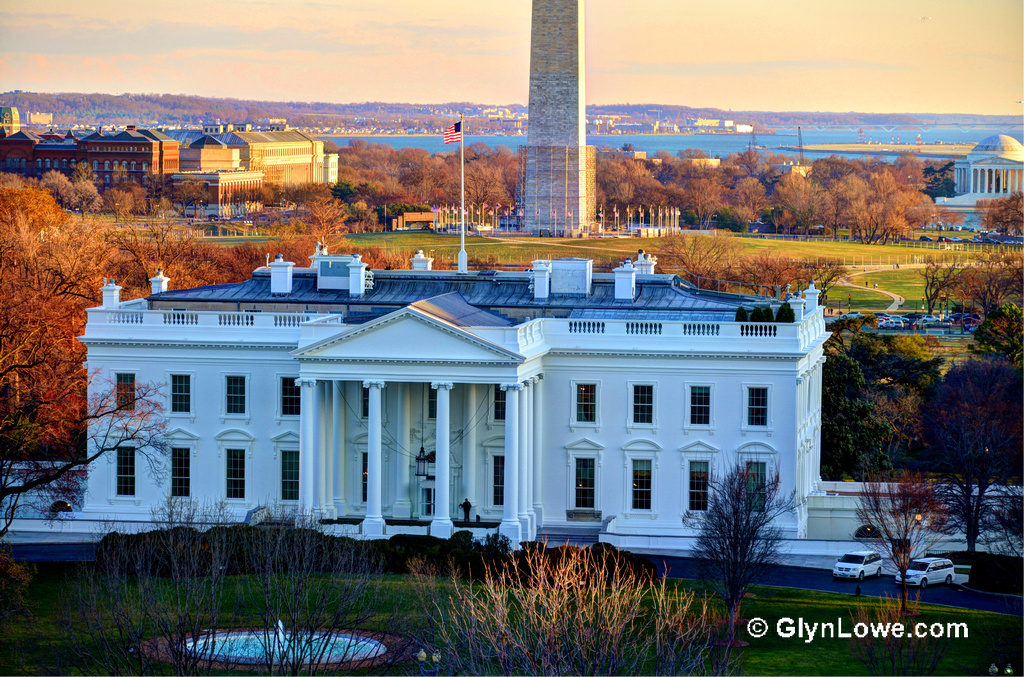
By October 5, the U.S. government shutdown had crossed Day 5, and the White House escalated its pressure campaign by threatening mass layoffs of federal employees if congressional Democrats did not relent. National Economic Council Director Kevin Hassett signaled that the administration was preparing to execute firings, while Budget Director Russell Vought quietly mapped internal contingencies for eliminating staff in nonessential functions.
In televised interviews, Hassett stated that while the administration still hoped for a breakthrough, the window was narrowing: “If these negotiations are absolutely going nowhere, we will act.” Reporters pressed him on timing; he would only say that “some actions are already happening.” The striking ambiguity was the point — to pressure opposition lawmakers by injecting fear and uncertainty into government ranks.
Democratic leaders responded with scorn. Senate Majority Leader Chuck Schumer accused Republicans of leveraging the livelihoods of public servants as a bargaining chip. Rep. Alexandria Ocasio-Cortez denounced the move as “reckless and cruel,” emphasizing the human impact: service workers, inspectors, and social safety programs hang in the balance. Across the country, local governments and contractors reliant on federal funding braced for cascading disruptions.
In Washington, veteran observers warned that the threat of mass firings marks a dangerous escalation. Previous shutdowns typically involved furloughs, not permanent terminations, and courts have often rebuked unilateral executive moves that bypass standard due process protections. Labor unions and legal advocates prepared challenge litigation. A parallel battle is now unfolding in courtrooms, not just on Capitol Hill.
Politically, the gambit is high stakes. For the Trump administration, pushing this narrative reinforces a “tough governance” brand. But if hundreds of thousands of federal workers lose their jobs — especially in battleground states — voters may perceive it as punishment, not reform. In a standoff where optics matter as much as strategy, October 5 may become remembered not for what was funded but whom the government threatened to fire.

Leave a comment