

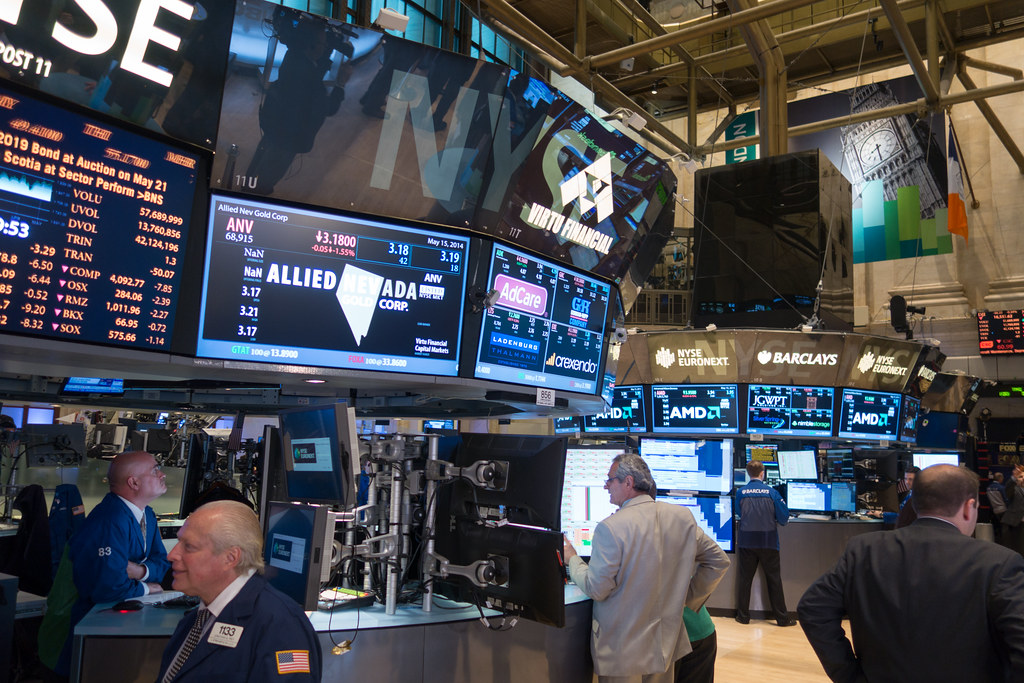
Despite the mounting drama in Washington on October 5, financial markets showed remarkable resilience. Equities advanced modestly, with technology, healthcare, and defense names among the best performers. The S&P 500 ticked upward, even as volatility flickered in smaller-cap segments. Investors appeared to favor continuation of strong momentum over short-term policy risk.
One major driver: growing conviction that the Federal Reserve, starved of reliable economic data during the shutdown, will lean toward aggressive rate cuts once operations resume. Treasury yields fell, especially in the 2- to 5-year range, as fixed-income markets priced in a more dovish path. The U.S. dollar weakened against key peers, lending support to multinational earnings and inflation hedges.
Healthcare names saw renewed interest following the earlier deal with the federal government on drug pricing, which gave investors hope that policy and business can still broker gains even in tense political climates. Semiconductors and AI infrastructure companies continued to attract capital as structural growth themes, pushing sector indexes higher. Meanwhile, gold and other safe havens held near record levels, reflecting risk hedging behavior beneath the surface optimism.
Still, warning signs began to flicker in the markets. Stocks linked closely to government contracting, infrastructure, and regulatory approvals lagged, as the shutdown delayed reviews and spending flows. Sentiment in small- and mid-cap spaces showed strain, with wider intraday swings. Strategists cautioned that if the standoff stretches into its second week, narrative risk could erode gains.
As of October 5, the market message seemed clear: political dysfunction is an expected headwind, not a market killer. Long-term structural themes continue to command investor conviction — but only so long as confidence in resolution remains. If that cracks, momentum could turn sharply.

Leave a comment