

Wall Street kicked off November on a mixed note Monday, November 3, as artificial intelligence optimism propelled technology megacaps higher while defensive sectors and smaller companies struggled. The S&P 500 rose 11.77 points or 0.2% to 6,851.97, while the Nasdaq composite rose 109.77 points or 0.5% to 23,834.72, with the Dow Jones Industrial Average falling 226.19 points or 0.5% to 47,336.68.
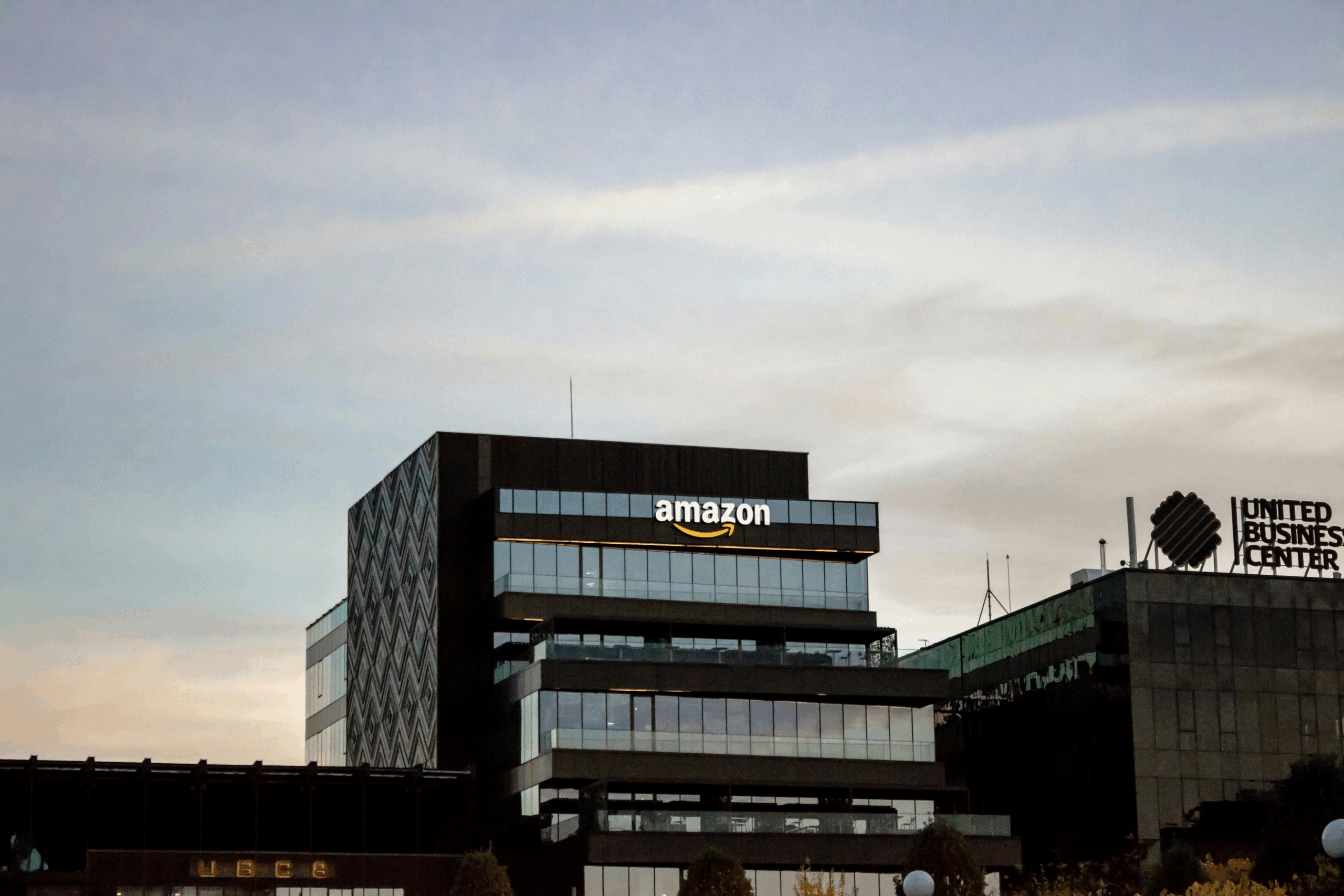
Amazon Web Services announced a $38 billion deal with OpenAI that will provide the ChatGPT maker access to hundreds of thousands of Nvidia Corp. graphics processing units as part of a seven-year deal, with shares of the online retail giant jumping 4%. The massive infrastructure commitment demonstrates continued appetite among technology giants for AI investments despite growing concerns about whether capital expenditures will generate adequate returns.
A renewed advance in megacaps drove a gauge of the Magnificent Seven up 1.2%, yet despite the AI optimism, over 300 firms in the S&P 500 actually retreated. The narrow market leadership reflects investor concentration in a handful of companies expected to dominate artificial intelligence deployment, creating vulnerability if these mega-caps disappoint or face regulatory challenges.
Nvidia rose over 2% at the open after Loop Capital Markets raised its price target for the chipmaker’s shares to a Street-high of $350, implying a market capitalization of $8.5 trillion for the company. Loop analyst Ananda Baruah wrote that we are entering the next Golden Wave of Gen AI adoption and Nvidia is at the front-end of another material leg of stronger-than-anticipated demand. The bullish call came just days after the semiconductor giant became the first company to reach $5 trillion in market capitalization.
Throughout recent earnings reports, Magnificent Seven stocks Amazon, Alphabet, Microsoft and Meta have signaled that they expect nearly $405 billion in capital expenditures this year, much of which will go toward AI. The extraordinary spending levels have sparked debate about whether companies are overinvesting in infrastructure that may not generate proportional revenue growth, though bulls argue that building AI capabilities represents rational response to transformative technology.
Analyst estimates show that AI capex is projected to reach 94% of operating cash flow minus spending on dividends and share buybacks in 2025 and 2026, up from 76% in 2024. If that percentage is below 100%, the companies don’t technically need to issue debt to fund their spending, but they are quickly hitting their limits according to Bank of America analysts. The compressed financial flexibility raises questions about sustainability of current investment pace if economic conditions deteriorate.
Nvidia was the strongest force lifting the market, much as it has been throughout 2025, with another AI winner Amazon rallying after announcing the OpenAI deal. They helped offset a big loss for Kimberly-Clark, which fell after saying it would buy Kenvue, the maker of Tylenol. The consumer products acquisition announcement dragged the Dow lower as investors questioned whether the combination creates sufficient synergies to justify the transaction.
Oracle shares fell 2% on Monday, but Guggenheim analyst John DiFucci wrote that he continues to believe Oracle is a decade stock driven by the massive and profitable opportunity ahead for AI training and inferencing. The divergent reaction demonstrates that Wall Street remains selective about which AI-exposed companies deserve premium valuations, rewarding those with clear monetization strategies while punishing pure infrastructure plays.
Earnings season continues in full swing with roughly 300 S&P 500 companies having now reported third quarter results, and another 100-plus reports due this week including from Palantir, Super Micro and AMD. The upcoming technology earnings will prove crucial for validating whether AI-driven capital spending translates into revenue growth justifying current valuations.
Eight leading member nations of OPEC+, a group of major oil producers, agreed on Sunday to raise production by 137,000 barrels per day in December but signaled a pause in rate changes through the first quarter of 2026. The modest production increase reflects OPEC’s cautious approach to balancing market share concerns against maintaining prices sufficient to support member nations’ fiscal budgets.
Mega hedge fund Millennium Management has sold its first minority stake, valuing the firm at $14 billion. The investment firm which manages roughly $79 billion in assets across several hundred separate trading desks has been entirely owned since its founding by 77-year-old founder and chief investment officer Israel Izzy Englander. Millennium has spent the past few years fielding questions from investors about succession planning, with the success of hedge funds often driven in large part by the founder and their relationships with investors.
The government shutdown extending into its 34th day continued preventing release of key economic data that investors typically rely upon to assess conditions. Some economic data may not come out as originally scheduled due to the ongoing government shutdown, creating an information vacuum that allows markets to focus exclusively on corporate earnings rather than macroeconomic trends that could complicate the bullish narrative.
Conservative investors should recognize that Monday’s narrow rally driven by a handful of mega-cap technology stocks represents precisely the type of market leadership that preceded previous corrections. The concentration of gains in artificial intelligence plays while over 300 S&P 500 companies declined suggests that investor enthusiasm for AI has reached levels where disappointing results from major players could trigger sharp reversals.
The Amazon-OpenAI deal’s seven-year structure demonstrates that both companies view artificial intelligence as requiring sustained investment rather than representing a short-term trend. However, skeptics note that technology forecasts extending seven years have historically proven wildly optimistic, with many anticipated breakthroughs failing to materialize or taking far longer than expected. The question is whether AI will prove genuinely transformative like the internet or represents hype comparable to blockchain and metaverse narratives that fizzled after massive capital commitments.
The Russell 2000 index of smaller companies fell 8.14 points or 0.3% to 2,471.24, demonstrating that small-cap stocks continue struggling despite repeated predictions that they would benefit from Federal Reserve rate cuts. The persistent underperformance suggests investors prefer the relative safety of dominant megacaps over smaller companies more vulnerable to economic slowdowns and competitive pressures.
Treasury yields rose and the dollar strengthened as investors rotated into risk assets following the Amazon deal announcement. Bond yields hovering near 4.3% create headwinds for equity valuations by increasing discount rates applied to future earnings, though technology bulls argue that AI-driven productivity improvements justify premium multiples regardless of interest rate levels.
Bitcoin and cryptocurrency markets declined as investors showed preference for equity exposure over digital assets. The cryptocurrency’s weakness despite the risk-on environment demonstrates that Bitcoin has not achieved its aspiration to serve as safe-haven alternative to traditional assets, instead behaving as high-beta technology proxy that declines when sentiment favors established mega-caps.
Gold prices drifted lower as geopolitical risk premiums continued fading following the U.S.-China trade agreement. The precious metal’s inability to rally despite the government shutdown becoming the longest in American history suggests investors view the budget crisis as ultimately resolvable rather than representing systemic threat to economic stability.
As November trading begins, the convergence of stretched valuations, narrow market leadership, and growing questions about AI capital spending creates challenging environment for investors considering new equity allocations. The seasonal tendency for stocks to rally during November provides tailwind, though the exceptional gains already achieved in 2025 mean that year-end performance may disappoint those expecting traditional fourth-quarter strength.
The question facing investors is whether Monday’s technology rally represents beginning of year-end melt-up driven by institutional portfolio managers chasing performance or merely temporary bounce before broader correction materializes. Conservative strategists note that waiting for clearer signals about AI monetization and Federal Reserve policy may prove wiser than chasing momentum in stocks trading at unprecedented valuations relative to historical norms.

Leave a comment