

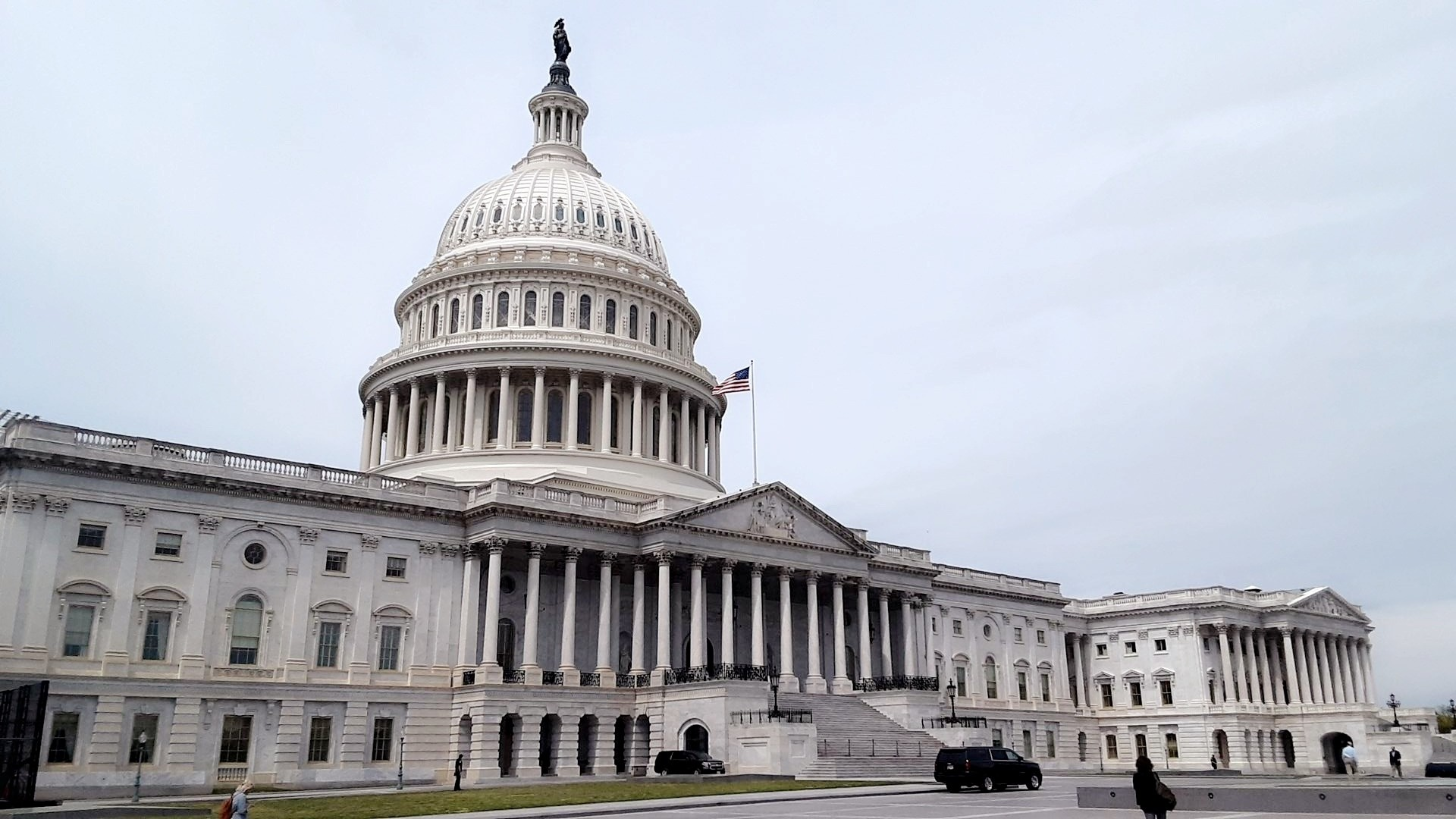
Federal employees returned to their offices Thursday, November 14, 2025, confronting mountains of paperwork and uncertainty about when they’ll receive back pay for the 43 days they worked without compensation during the longest government shutdown in American history. The government shutdown is over, but hundreds of thousands of federal workers are coming back after 43 days to anything but normalcy, employees from across the country told CNN.
Flight delays and cancellations will linger as Air Traffic Controllers staff back up, workers who haven’t received a paycheck in weeks will still have to wait for back pay, research grants will be delayed, and economic reports are likely to be scrapped. Six weeks of email and voicemails will have to be waded through, and in three months, they may have to contend with turbulence all over again since the agreement President Donald Trump signed into law funds most of the government only through January.
The Bureau of Labor Statistics said Friday that the first economic data report that went unreleased due to the government shutdown will be released next week, with the September nonfarm payrolls coming out Thursday at 8:30 a.m. A day later, the BLS will release real earnings, a companion report to the monthly consumer price index that did not come out simultaneously in October because average earnings, which are part of the payrolls report, were not released.
However, the October data that investors and Federal Reserve policymakers desperately need may never be compiled. White House Press Secretary Karoline Leavitt told reporters on Wednesday that “the Democrats may have permanently damaged the Federal Statistical System with October CPI and jobs reports likely never being released”, blaming the opposition party for the data blackout despite Trump’s decision to maintain the shutdown for six weeks.
The October CPI report may never be compiled, owing also to the method used to gather data, with the Bureau of Labor Statistics using in-person visits, so the data can’t be collected retroactively. Conservative policy analysts note that the permanent loss of October economic data creates a historical blind spot that will complicate future analysis, though they argue Democrats bear responsibility for refusing to pass clean funding legislation that would have prevented the data disruption.
Sens. Elizabeth Warren of Massachusetts, Bernie Sanders of Vermont, Maria Cantwell of Washington and Gary Peters of Michigan insisted that “government shutdowns do not inherently inhibit the federal government from collecting or releasing economic data,” according to a letter obtained by CNBC. The Democratic senators cited precedent from the October 2013 shutdown in which the BLS later published release dates, suggesting the administration “may be intentionally restricting the release of data.”
“The Trump Administration’s failure to release data or provide a clear schedule for the release of delayed data leaves businesses and policymakers without access to critical economic information,” the letter states. However, Republicans dismiss these concerns as political theater, noting that Democrats could have prevented any data disruptions by voting for Republican funding legislation weeks ago rather than demanding healthcare subsidy extensions.
When the roughly 1.4 million federal workers who have been furloughed or working without pay will receive their back pay may vary by agency, with many having missed two full paychecks and a partial one during the shutdown. In the past, it only took a few business days for workers to be paid, said Jacqueline Simon, policy director at the American Federation of Government Employees, but she was concerned that this year it could take longer because many human resources staffers at agencies were furloughed or have left amid the administration’s downsizing efforts.
“It’s going to be stressful for everybody,” said Yolanda Jacobs, president of the American Federation of Government Employees Local 2883 and a Centers for Disease Control and Prevention employee. “We can only begin to imagine how difficult it’s going to be to get everything functioning again, especially since we were already limping along in a lot of ways before the shutdown happened.”
The shutdown brought chaos to US airports, and the impact could linger well beyond the reopening of the government, with the US air traffic control system more than 3,000 controllers short of what’s needed to fully staff towers and other facilities that guide planes throughout the country. The current workforce of 14,000 controllers not only had to deal with the regular staffing shortages but also more coworkers not showing up during the shutdown, all while not getting paid.
All this put young controllers in a “very difficult position” during the shutdown, leading some to quit, Transportation Secretary Sean Duffy told reporters this week. The permanent loss of experienced controllers creates safety concerns that could persist for years as the Federal Aviation Administration struggles to recruit and train replacements willing to work in an environment where shutdowns can deprive them of compensation for months.
Agriculture Secretary Brooke Rollins said her department began work last night once the government reopened to issue full Supplemental Nutrition Assistance Program, or SNAP, benefits for November, though the timing of actual benefit distribution remained unclear. The Trump administration withdrew its Supreme Court appeal challenging lower court orders requiring SNAP payments, with Solicitor General John Sauer stating in a filing that the underlying dispute is now moot.
For the American public, the lingering effects of the shutdown could be felt for months or even years to come at the nation’s airports, while those receiving government assistance like food stamps are eagerly awaiting the government to finally get funds out the door. Conservative analysts argue that the shutdown’s lasting consequences vindicate Trump’s negotiating strategy, demonstrating that Democrats lacked the resolve to sustain their opposition when confronted with real human costs.
The record-breaking 43-day federal government shutdown ended this week, with President Donald Trump signing into law a spending package that extended government funding for most federal agencies through January 30, 2026, while also funding the legislative branch and the departments of Agriculture and Veterans Affairs through September 30, 2026. The deal also reversed the layoffs of federal employees that had occurred during the shutdown and ensured that furloughed federal workers would receive back pay.
Notably, the legislative package did not include an extension of Affordable Care Act health insurance subsidies, which are set to expire at the end of this year, representing Trump’s complete victory in the budget standoff. Democrats secured only a non-binding promise from Senate Majority Leader John Thune to hold a vote on healthcare subsidies by mid-December, creating no obligation for Republicans to support such measures once government operations resume.
With the spending issue merely postponed and the healthcare debate unresolved, these issues remain front and center in U.S. politics. The short timeline until the January 30 funding deadline creates another potential confrontation in less than three months, though Democrats face even greater difficulty maintaining opposition given their demonstrated inability to sustain shutdowns when constituents face real hardship.
Andrea Lucas was officially made chair of the U.S. Equal Employment Opportunity Commission, removing the “acting” designation that she had held since the beginning of the year, signaling that the Trump administration’s conservative agenda at the agency will continue without interruption. While the move doesn’t provide Chair Lucas with any additional legal authority, it does give her greater internal influence within the Commission.
Senate Republicans released a slate of bills aimed at reforming current labor law practices and procedures, including the Worker RESULTS Act and the Worker Privacy Act. The legislation reflects Republican determination to pursue conservative labor reforms despite lacking the 60 votes necessary to overcome Democratic filibusters, with the bills potentially serving as negotiating positions for future bipartisan discussions.
As federal operations resume after the longest shutdown in American history, the Trump administration’s complete victory in forcing Democratic capitulation without healthcare guarantees establishes precedent for future negotiations. The president now possesses credible threat to maintain funding lapses indefinitely, having demonstrated that moderate Democrats will crack before Republicans abandon their positions when confronted with mounting human costs and electoral pressure.
The permanent loss of October economic data creates uncertainty for Federal Reserve policymakers attempting to assess whether conditions justify additional rate cuts at the December meeting. The absence of this crucial month’s employment and inflation figures leaves the central bank operating partially blind, potentially forcing officials to either delay policy changes until clearer pictures emerge or proceed based on incomplete information that could prove misleading.
Conservative policy analysts celebrate the shutdown’s outcome as vindication of Trump’s hardline approach, arguing that Democrats’ inability to secure their core demand despite six weeks of confrontation demonstrates the superiority of presidential resolve over poll-driven capitulation. The precedent established during this crisis will shape fiscal negotiations throughout the remainder of Trump’s second term, with Republicans now confident they can prevail in extended showdowns regardless of unfavorable public opinion.

Leave a comment