
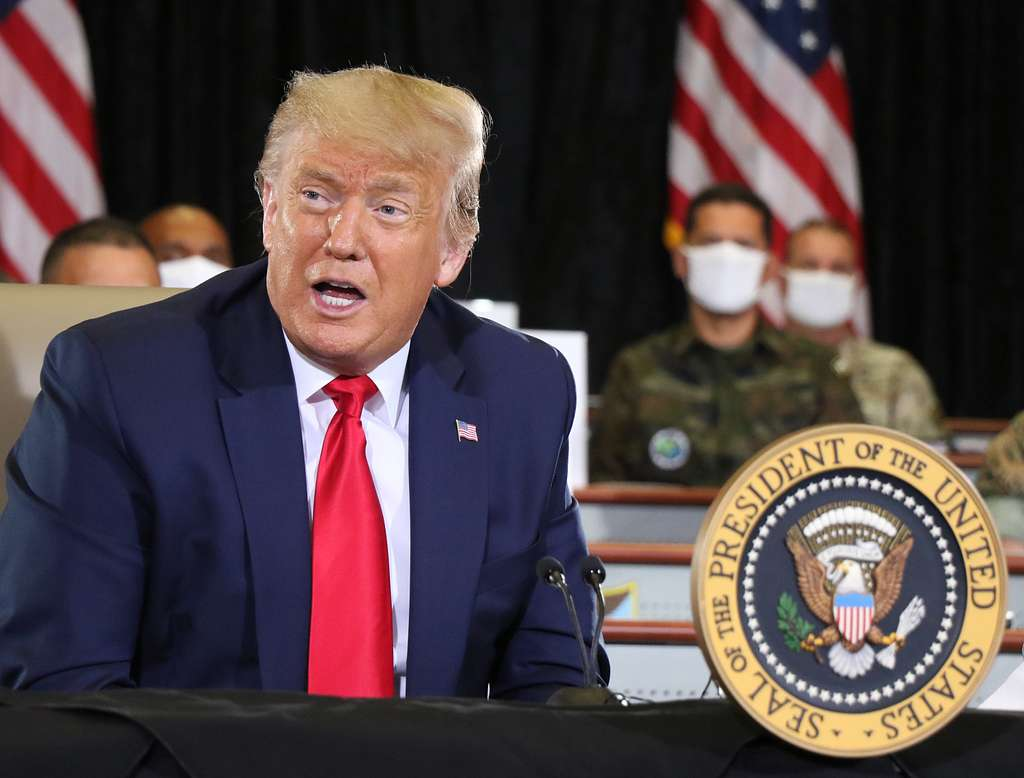
On September 29, the administration of President Donald Trump met with congressional leaders in the White House in a last-ditch effort to avoid a federal government shutdown, but emerged with little to show for it. With the funding deadline fast approaching, Republicans insisted on a narrow continuing resolution while Democrats demanded protections for Medicaid, extensions to health-care tax credits and a broader spending package. Senate Republicans and House Democrats remained far apart, and as attendees left the meeting, Vice President J.D. Vance candidly declared, “I think we are headed into a shutdown.”
Washington watchers now warn that the political stalemate highlights growing dysfunction in the budgeting process and signals deeper structural problems in congressional governance. For the president, the timing is particularly risky. A shutdown early in his term would not only disrupt key federal services but could also dampen his law-and-order messaging and domestic agenda. For business and municipal leaders, the prospect of a furlough scenario is already generating concern: transportation systems, defense operations and economic programs all hang in the balance.
Analysts say the outcome could reshape the next twelve months of politics: if a shutdown occurs and damage is significant, public opinion could turn sharply against the majority party perceived as responsible. Conversely, if a short-term fix is struck at the eleventh hour, it may reinforce perceptions of gridlock but allow the administration and Congress to regroup for longer-term deals. For now, the political risk barometer has shifted: everyone in Washington is now operating under a “worst-case scenario” mindset.
