
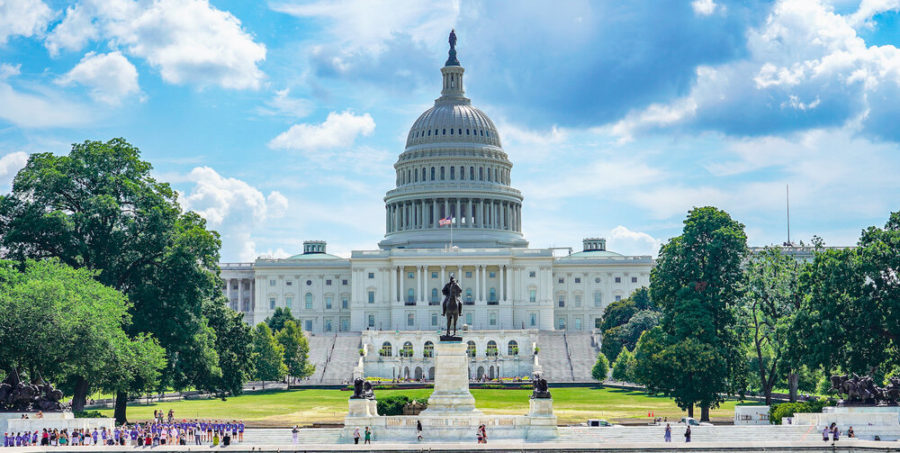
On October 1, 2025, at 12:01 a.m. Eastern time, the U.S. federal government officially entered a shutdown after senators failed to agree on stopgap funding. The move marks the first full shutdown in nearly seven years and the start of what may become one of the longer funding gaps in modern history.
The failure to pass a continuing resolution boiled down to irreconcilable demands: Many Democrats refused to support any measure that failed to preserve ACA premium tax credits and Medicaid funding, even for illegal immigrants. The GOP’s proposal to fund operations until November 21 was rejected; the Democratic counterproposal, which extended funding to the end of the month and included those healthcare funds, also failed. As Congress returned from recess, the divide proved too wide to bridge.
As a result, roughly 900,000 federal employees were furloughed, and some 2 million more were ordered to continue working without pay. Critical services—like Medicare, Medicaid, and the military—remain functional, but many agencies face partial or full suspension. Among the hardest hit: scientific research, environmental cleanups, national parks, and regulatory oversight functions.
In a dramatic twist, the Trump administration moved quickly to freeze $26 billion in funds targeted to Democratic states, including $18 billion for transit projects in New York and $8 billion for green energy programs across 16 states. The decision signals a new and aggressive tactic: weaponizing the shutdown to punish political adversaries. Vice President J.D. Vance publicly warned of mass firings if the impasse drags on, stoking fears that temporary furloughs may morph into permanent job cuts in key regions.
Public reaction was swift. Democratic leadership blamed Republicans for refusing to negotiate, especially around healthcare provisions. Supporters of the shutdown, however, defended the risk, arguing it’s a necessary purge of unwanted spending for non-citizens. Already, cities and states dependent on federal grants are scrambling to plug budget holes. The coming days will test not just Washington’s capacity for governance, but whether citizens see this as routine politicking or a breakdown of federal responsibility.
