

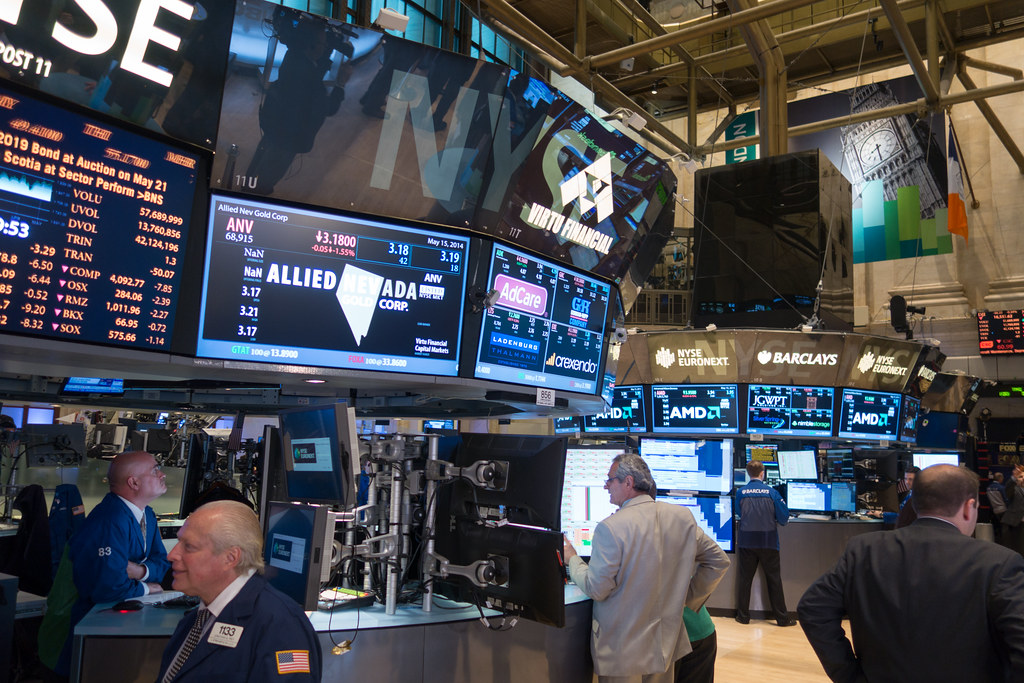
On October 3, U.S. financial markets experienced a surprising steadiness, even optimism, in the face of a continuing government shutdown and murky economic visibility. The S&P 500 eked out a modest gain and closed at a new high, while the Nasdaq faltered slightly. Investors clung to the growing belief that the Federal Reserve, deprived of key data due to the shutdown, would lean toward earlier rate cuts.
The central narrative driving markets was uncertainty — not weakness. With agencies delayed or shuttered, official inflation and employment releases were missing, pushing investors toward optimism as the default stance. The lack of data reduced the risk of surprises, so markets drifted upward, supported by structural sectors such as healthcare and technology.
Healthcare stocks got a further boost from the earlier Pfizer-federal pricing deal, offering proof that policy rifts could bend in corporate favor. Meanwhile, semiconductor and AI names continued to attract capital in anticipation of long-term growth. But defensive plays also returned to favor: gold remained near record highs, Treasury yields softened — especially in shorter maturities — and the dollar slipped against major currencies.
Still, there were warning signs beneath the surface. Volatility rose in small-cap names, and certain sectors tied to federal contracts — defense, infrastructure, environmental services — lagged or dipped. Strategy desks flagged risks if the shutdown extended beyond a week: delayed contract approvals, grant slowdowns, and stalled government purchases could erode forward guidance for many firms.
Many fund managers described the period as a “window trade”: a short stretch where optimism ruled and momentum outweighed fundamentals. But they cautioned that once data returns — especially inflation or labour numbers — sentiment could swing sharply. For now, markets appear to be telling investors: hope for the best, but hedge for the worst.

Leave a comment