
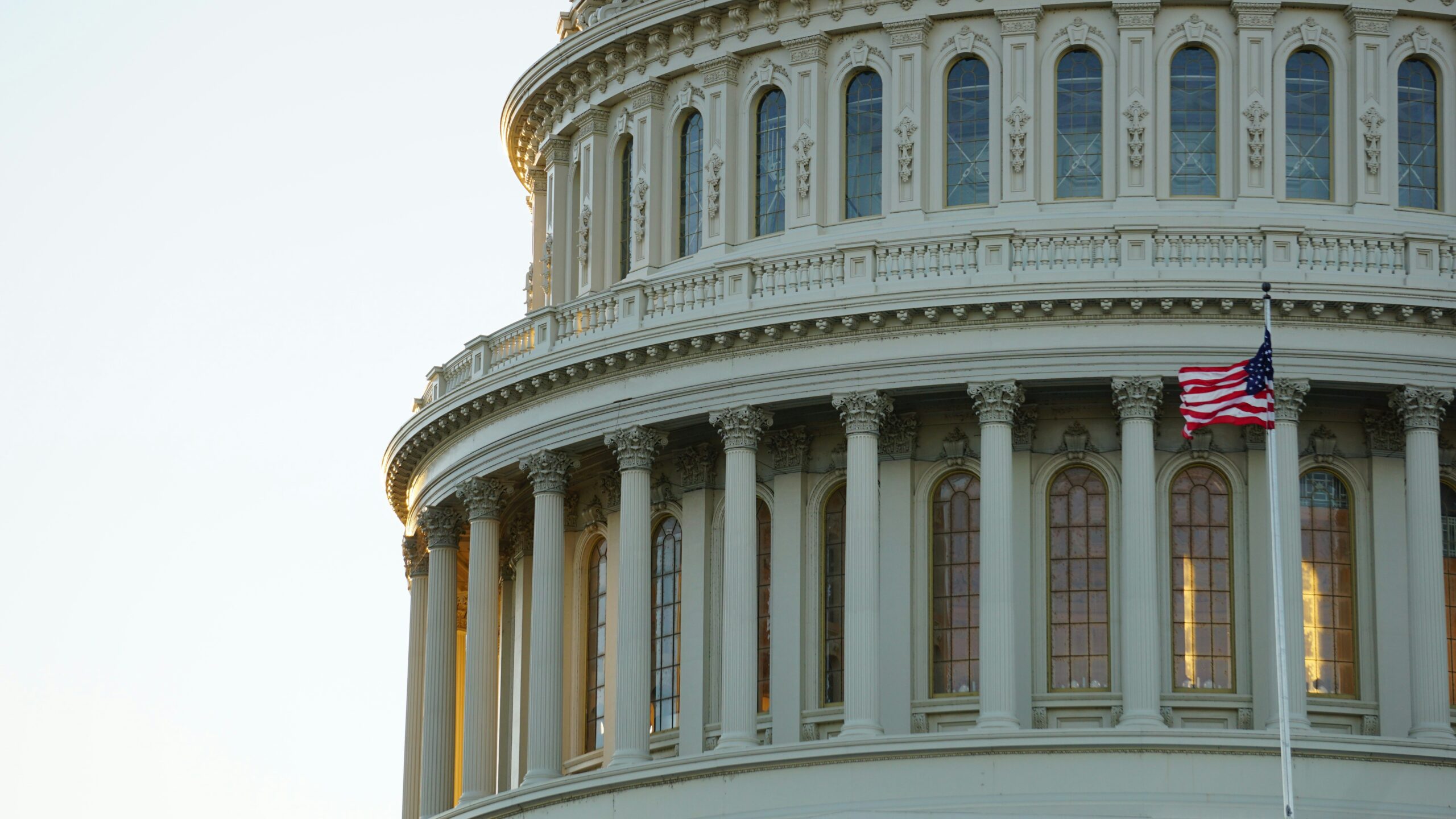
On Tuesday, the U.S. federal government shutdown entered its seventh day, with no resolution in sight. The Senate failed for the fifth time to advance legislation aimed at ending the shutdown. The latest vote on a Republican-backed continuing resolution (CR) fell short with a 52–42 tally, lacking the 60 votes needed to proceed. Democrats opposed the measure due to its failure to extend Affordable Care Act (ACA) subsidies, a key demand. Only a few Democrats supported the resolution, while one Republican, Rand Paul, opposed it.
President Trump signaled a potential willingness to discuss healthcare subsidies with Democrats, suggesting that replacing wasteful ACA subsidies could improve the system. However, Senate Minority Leader Chuck Schumer denied that active healthcare talks were occurring and reiterated the demand for more comprehensive negotiations. Trump later urged Democrats to reopen the government before working on healthcare reforms.
The shutdown has resulted in agency closures, missed paychecks for federal workers, and threats of layoffs. House Speaker Mike Johnson has kept the House in recess to increase pressure on Senate Democrats, blocking legislative progress, including a petition with enough votes to release Jeffrey Epstein-related files. Public opinion favors Democrats slightly, with 53% blaming Republicans for the shutdown. Funding cuts have also targeted Democratic-led states. Overall, bipartisan cooperation remains elusive as the standoff continues.
