
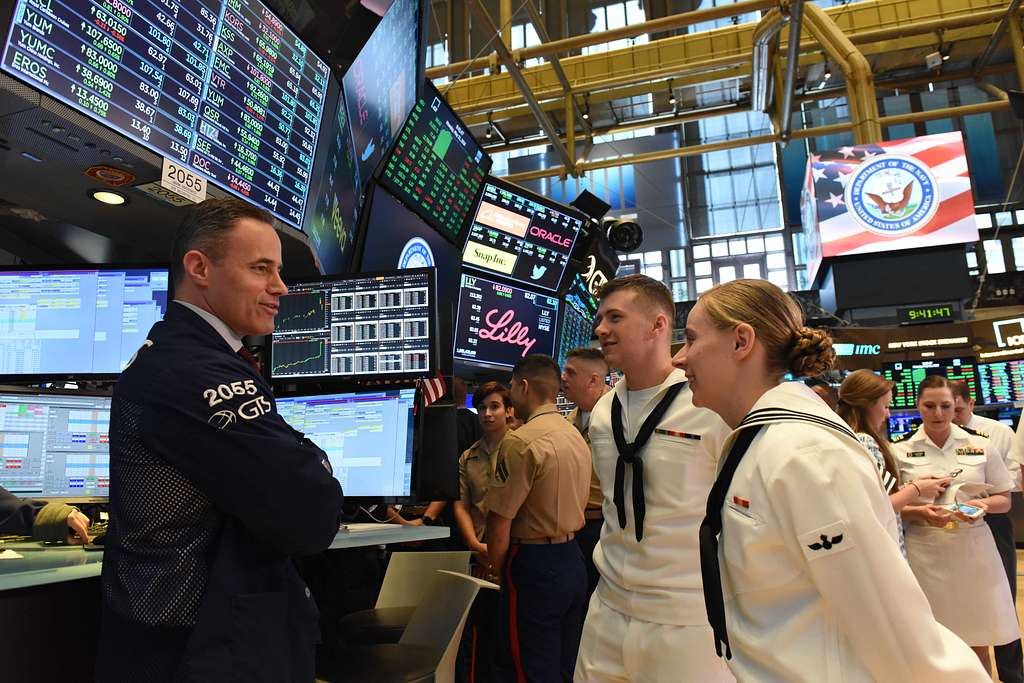
Wall Street suffered its worst selloff in more than a month Thursday, November 13, 2025, as hawkish comments from Federal Reserve officials combined with mounting concerns about artificial intelligence valuations to trigger heavy selling across technology sectors. The Dow fell 798 points, or 1.65%, the broader S&P 500 fell 1.66% and the tech-heavy Nasdaq Composite slid 2.29%, with all three major indexes posting their worst day since October 10 when China trade tensions sparked a similar rout.
Heavy selling resumed on Wall Street, halting a weeklong respite spurred by the US government reopening, as hawkish statements from Federal Reserve officials ahead of a deluge of economic data spurred traders to dump risky assets from tech stocks to crypto. The violent reversal demonstrates that Monday’s relief rally following the shutdown deal was short-lived, with investors quickly refocusing on fundamental concerns about stretched valuations and uncertain monetary policy.
Tesla shares fell 6.6%, Palantir shares fell 6.5%, and Nvidia shares fell 3.6%, demonstrating that even the most popular artificial intelligence names remain vulnerable to sharp declines when sentiment turns negative. Oracle shares fell 4.15% despite the company’s recent 40% surge following strong quarterly results, suggesting that profit-taking is accelerating across the entire technology sector.
Investors also assessed how long it might take for economic data releases to be rebooted after the end of the government shutdown, creating uncertainty about whether the Federal Reserve will possess sufficient information to justify another rate cut at its December policy meeting. CNN’s Fear and Greed index moved from “fear” into “extreme fear,” while Wall Street’s fear gauge, the VIX, jumped 18% as volatility picked up.
Conservative investors should recognize that Thursday’s selloff validates warnings from major investment bank CEOs that a 10% to 20% correction appears inevitable given current valuation levels. Goldman Sachs CEO David Solomon, JPMorgan’s Jamie Dimon, and Morgan Stanley’s Ted Pick have all cautioned that artificial intelligence stocks trade at multiples that assume flawless execution and unlimited growth, creating vulnerability to disappointment.
The Dow, S&P and Nasdaq each had their worst day since October 10, when a flare up in US-China trade tensions sent stocks lower. The clustering of 1.5%+ declines suggests the market is experiencing rolling corrections within technology sectors rather than broad-based selling that would characterize full bear market conditions, though the frequency of these sharp moves indicates deteriorating investor confidence.
“Lacking fresh economic data, markets have become increasingly jittery in recent weeks,” Seema Shah, chief global strategist at Principal Asset Management, said in a note. “Now, as the government shutdown ends, each long-awaited data release or policy announcement will have the potential to move markets dramatically.”
The absence of October employment and inflation reports creates unusual uncertainty heading into the Federal Reserve’s December policy meeting. “The data blackout has made the Federal Reserve’s job difficult, but we still expect them to cut interest rates again in December,” Carol Schleif said. However, several Fed officials have recently expressed skepticism about additional easing, creating doubt about whether the December cut that markets had been pricing at 96% probability just one month ago will actually materialize.
The sell-off in stocks worsened in the afternoon as the third-quarter earnings season is also winding down, meaning there are fewer fundamental catalysts, and markets are more susceptible to moves based on investor sentiment. Conservative strategists note that the absence of positive earnings surprises to offset valuation concerns leaves technology stocks particularly vulnerable to continued selling pressure.
“Investors are reevaluating the prices they’re paying for big tech and AI stocks,” said Ross Mayfield, an investment strategist at Baird. The reassessment reflects growing recognition that companies spending hundreds of billions on artificial intelligence infrastructure must demonstrate proportional revenue growth to justify current valuations, with disappointing monetization threatening sharp corrections.
“If sticky inflation forces the Fed to maintain restrictive policy, the cost of capital remains a headwind for valuations,” David Miller, CIO at Catalyst Funds, said in an email. The observation highlights the double bind facing technology investors, where companies face both valuation risks from stretched multiples and financing risks from elevated interest rates that increase discount rates applied to future earnings.
Bitcoin plunged alongside equities, dipping below $95,000 on Friday, pushing the world’s oldest cryptocurrency further into the red and continuing its four-day decline amid a broader artificial intelligence-linked stock pullback. The digital asset was last trading at $96,293, down 3.5% on the day, demonstrating that cryptocurrency continues behaving as high-beta technology proxy rather than safe-haven alternative to traditional assets.
Consumer discretionary stocks have lagged this week and month, with the S&P 500 sector slipping more than 2% week to date, making it the worst performing of the 11 that comprise the broad index. The sector is now down more than 3% for November, on pace to snap a six-month winning streak, suggesting that consumer spending weakness extends beyond federal workers affected by the shutdown.
Williams-Sonoma led the sector down this week with a drop of more than 6%, followed by Aptiv and Tesla’s slides of around 5% each, though Nike and AutoZone have helped curtail losses, jumping more than 5% and 3%, respectively. The divergent performance within consumer discretionary demonstrates that stock selection remains crucial even during broad sector weakness.
Major U.S. companies are mentioning tariffs less on their earnings calls, according to a FactSet analysis, with those two terms cited on 238 calls over the period, a quarter-over-quarter decline of 33% compared to the second quarter of 2025. The reduced tariff mentions suggest that companies have either adapted to the new trade environment or grown more cautious about highlighting cost pressures that could alarm investors.
Treasury bonds rallied as safe-haven demand returned following Thursday’s equity market decline, with yields tumbling as investors rotated from stocks into fixed income. The flight to quality buying demonstrates that traditional safe havens retain appeal when stock markets retreat, particularly given concerns about stretched technology valuations and uncertain Federal Reserve policy.
The question facing investors as November’s second week concludes is whether Thursday’s selloff represents temporary volatility within an ongoing bull market or the beginning of the correction that Wall Street executives have been warning about for weeks. The convergence of Fed uncertainty, stretched valuations, deteriorating technical conditions, and delayed economic data creates treacherous environment where multiple bearish catalysts threaten year-end performance.
Billionaire investor Ron Baron isn’t flinching during the latest tech selloff, and he’s certainly not touching his own Tesla shares, he said, demonstrating that some long-term investors view recent weakness as noise rather than signal of fundamental deterioration. However, Baron’s conviction contrasts sharply with the growing number of momentum traders liquidating positions as the risks of chasing stretched valuations become increasingly apparent.
As markets digest Thursday’s brutal selloff and prepare for Friday’s session, the stage is set for either stabilization if buyers emerge to defend key support levels or accelerated declines if technical damage triggers additional selling. Conservative portfolio managers who maintained discipline during recent rallies rather than chasing momentum at all-time highs should find numerous opportunities to add exposure at more reasonable entry points if the correction extends through November’s remainder.
