
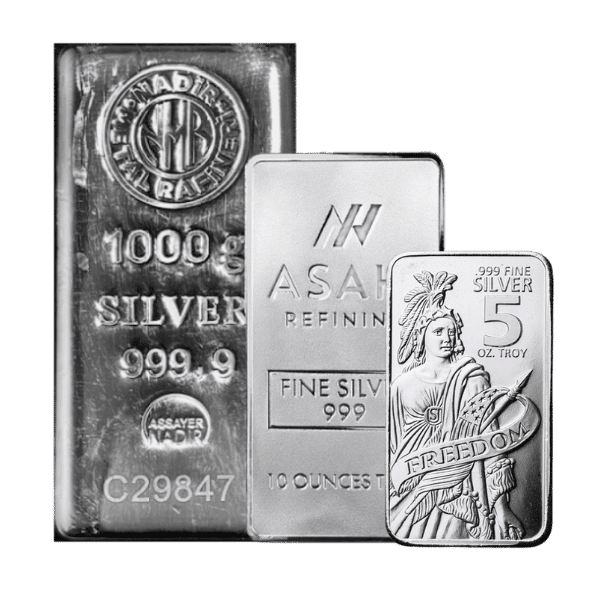
Silver prices suffered the most catastrophic single-day collapse in modern precious metals history on Friday January 30, plummeting approximately 30% to $80.55 per ounce at session lows as investors fled commodities en masse following President Trump’s nomination of inflation hawk Kevin Warsh as Federal Reserve Chairman. The brutal selloff erased roughly $200 billion in market capitalization across precious metals miners, commodity ETFs, and related securities while exposing the speculative excesses that had driven silver to all-time highs above $110 per ounce just weeks earlier. Gold crashed approximately 11% to $4,812.71 per ounce, copper plunged over 6%, and the VanEck Junior Gold Miners ETF cratered 8.4% in what represented the most violent commodity liquidation since the 2020 pandemic panic, demonstrating how quickly leveraged positions unwind when sentiment shifts and forced selling overwhelms any genuine investment demand.
The iShares Silver Trust, ticker SLV, experienced devastating losses that wiped out months of gains as investors who chased the metal higher during late 2025 and early 2026 watched their positions crater. The physically-backed ETF’s structure meant that massive redemption requests forced the sale of actual silver bullion into markets where buyers had disappeared, creating cascading price declines that overwhelmed any support levels and triggered additional selling from stop-loss orders and algorithmic trading systems. The speed and magnitude of silver’s collapse suggested coordinated liquidation from commodity trading advisors and hedge funds unwinding positions as momentum turned decisively negative, rather than gradual profit-taking that might have allowed more orderly price action.
NovaGold Resources plunged 8.2%, Perpetua Resources fell 7.2%, and Freeport-McMoRan dropped 7.1% as the carnage spread across the entire mining sector regardless of specific commodity exposure or company fundamentals. The iShares MSCI Global Metals & Mining Producers ETF declined 4.3%, demonstrating that diversification within commodity sectors provided no protection when the entire complex suffered simultaneous liquidation. The coordinated selloff reflected recognition that elevated commodity prices had been driven more by currency debasement fears and speculative momentum than genuine supply-demand fundamentals, and that Warsh’s nomination signaled those fears were overblown.
The precious metals collapse stemmed from growing investor optimism that Kevin Warsh as Fed Chairman could help temper dollar debasement concerns that had pushed global investors into gold and silver as inflation hedges. Warsh’s reputation as monetary hawk who prioritizes price stability over maximum employment suggested that Federal Reserve policy under his leadership would resist presidential pressure for aggressive rate cuts that could reignite inflation. This credibility reassured bond markets and currency traders that dollar purchasing power would be defended, eliminating the primary rationale that had justified precious metals allocations at record valuations.
Copper’s 6% plunge and broader industrial metals weakness demonstrated that the selloff extended beyond monetary debasement hedges into materials where supply-demand fundamentals should have provided support. Freeport-McMoRan’s 9% decline reflected investor recognition that even companies producing metals with structural demand drivers from AI infrastructure and energy transition face severe price risk when leveraged speculators liquidate positions. The United States Copper ETF, ticker CPER, suffered double-digit percentage losses as futures markets experienced violent moves that overwhelmed market makers’ ability to maintain orderly trading.
Lithium miner Albemarle plunged more than 7%, while chemical company LyondellBasell Industries fell 5% after an earnings miss, demonstrating how commodity-exposed companies face dual pressures from both falling raw material prices that compress margins and broader market selloffs that indiscriminately punish anything connected to materials sectors. The lithium selloff particularly hurt as the metal had already suffered through brutal 2024-2025 correction that saw prices fall over 80% from peaks as new supply overwhelmed electric vehicle demand growth that failed to match optimistic forecasts.
Despite the historic Friday carnage, the Russell 2000 small-cap index still tracked to end January with big gains, climbing more than 5% for the month even after tumbling nearly 1.5% in Friday’s midday trading. The small-cap outperformance relative to large-cap indices demonstrated healthy rotation into previously lagging areas, though Friday’s pullback suggested that the momentum could be fragile if broader market sentiment deteriorates. Small-cap commodity producers suffered particularly severe Friday losses as their elevated leverage and concentrated business models amplified the impact of falling raw material prices.
The January ETF launch calendar demonstrated extraordinary industry growth even amid market volatility, with product offerings spanning emerging market debt, gold, tokenization themes, nuclear power, and active equity strategies. T. Rowe Price Innovation Leaders ETF (TNXT) joined the lineup alongside FT Vest U.S. Equity Buffer & Digital Return ETF (DGJA) and WisdomTree Efficient Long/Short U.S. Equity Fund (WTLS), providing investors with increasingly sophisticated tools for implementing views on market direction, volatility harvesting, and downside protection. The breadth of new launches reflected ETF industry’s evolution from simple index-tracking vehicles into complex strategy implementation platforms.
Canadian ETF launches proved equally robust, with JPMorgan International Developed Equity Active ETF (JIDE) and Global X Tokenization Ecosystem Index ETF (TOKN) highlighting the industry’s expansion into both traditional active management and cutting-edge thematic exposures. Harvest Premium Yield Enhanced ETF (HPYE) and Harvest Premium Yield Canadian Bank ETF (HPYB) demonstrated continued investor appetite for income-generating strategies amid elevated interest rates, while HAMILTON CHAMPIONS Utilities Index ETF (UMVP) and U.S. Technology Index ETF (QMVP) provided sector-specific exposures for tactical positioning.
First Trust Bloomberg Nuclear Power ETF (RCTR) capitalized on renewed enthusiasm for nuclear energy as AI data centers’ massive electricity requirements and clean energy mandates drive reconsideration of baseload power sources that can operate continuously without weather dependence. The nuclear renaissance reflects recognition that intermittent renewables alone cannot meet growing electricity demand from computing infrastructure, electric vehicles, and industrial electrification while maintaining grid reliability and achieving emissions reduction goals.
The Harvest Oracle Enhanced High Income Shares ETF (ORCY) and Harvest Novo Enhanced High Income Shares ETF (NOVY) demonstrated how ETF issuers create income products around individual large-cap stocks, providing investors with enhanced yield through options strategies while maintaining exposure to specific companies. These single-stock covered call ETFs represent product innovation that monetizes volatility and generates cash distributions, though investors should understand that upside participation gets capped when underlying stocks rally beyond strike prices.
Deutsche Börse reported record metrics for its ETF and ETP segment during 2025, with total turnover reaching 4.2 trillion euros according to preliminary figures, up 14% year-over-year. The record volumes reflected both growing ETF adoption across European markets and increased trading activity driven by market volatility and tactical positioning around geopolitical developments. European ETF assets under management climbed to 2.3 trillion euros by year-end 2025, demonstrating that the industry’s growth extends globally rather than remaining concentrated in U.S. markets.
Yorkville America Equities announced agreements for Truth Social Funds, though specific details about investment strategies and target assets remained limited in initial disclosures. The development represents ongoing efforts to create investment vehicles aligned with specific political or cultural constituencies, though success depends on whether sufficient investor demand exists beyond novelty factor and whether underlying strategies can deliver competitive returns.
Kepler Cheuvreux launched ETF One platform designed to consolidate its full suite of ETF-related services, demonstrating how financial institutions build infrastructure to support the industry’s continued expansion. The platform integration reflects recognition that ETF trading, research, and portfolio construction require specialized tools and workflows that differ from traditional equity or bond operations.
iM Global Partner’s sale of its stake in Richard Bernstein Advisors to Janus Henderson Group represented significant consolidation within the investment management industry as larger firms acquire successful boutiques to expand capabilities and capture specialized expertise. Richard Bernstein Advisors’ tactical asset allocation approach and disciplined valuation frameworks have generated strong long-term performance, making the firm attractive acquisition target for institutions seeking to enhance their ETF and quantitative investment offerings.
For investors seeking to implement systematic trading strategies around commodity volatility and sector rotations, TradersPost enables automated trading bots for stocks, crypto, options, and futures, integrating seamlessly with strategies from TradingView and TrendSpider. Execute trades effortlessly across top brokers like Tradovate, TradeStation, Coinbase, Interactive Brokers, and Alpaca. Redpulse readers can use code REDPULSE for 20% off at TradersPost.
The Friday commodity massacre created important questions about whether violent selloffs represent buying opportunities or warnings that bull markets have ended and multi-year bear cycles begun. Technical analysts noted that gold and silver violated key support levels and momentum indicators turned decisively negative, suggesting further downside could materialize before sustainable bounces develop. However, fundamental bulls argued that factors supporting precious metals including massive government deficits, currency debasement concerns, and geopolitical tensions remain intact despite temporary price weakness driven by technical selling.
Silver’s 30% single-day plunge exceeded even the most bearish forecasts and represented the type of capitulation selling that often marks intermediate-term price bottoms, though catching exact lows proves notoriously difficult and early buyers frequently suffer further losses before rebounds materialize. The white metal’s smaller market size compared to gold creates outsized volatility in both directions, rewarding patient investors who accumulate during panics while punishing those who chase momentum during euphoric rallies.
The concentration of January’s commodity selloff on Friday following Warsh’s Thursday nomination suggested that markets had become extremely one-sided in precious metals positioning, with leveraged speculators dominating price action rather than physical buyers seeking genuine inflation protection or jewelry manufacturers requiring industrial inputs. When positioning becomes this lopsided, relatively modest catalysts can trigger avalanche selling as everyone attempts to exit simultaneously through doors that prove far too narrow for orderly liquidation.
Looking ahead to February commodity markets, investors face environment characterized by extreme technical damage from Friday’s carnage, uncertain Fed policy direction under incoming Chairman Warsh, persistent geopolitical tensions from Venezuela and Iran situations, and fundamental supply-demand dynamics that vary dramatically across specific materials. Successfully navigating this complexity requires distinguishing between commodities where speculative excess drove unsustainable prices versus those where genuine structural deficits justify elevated valuations despite short-term volatility.
